




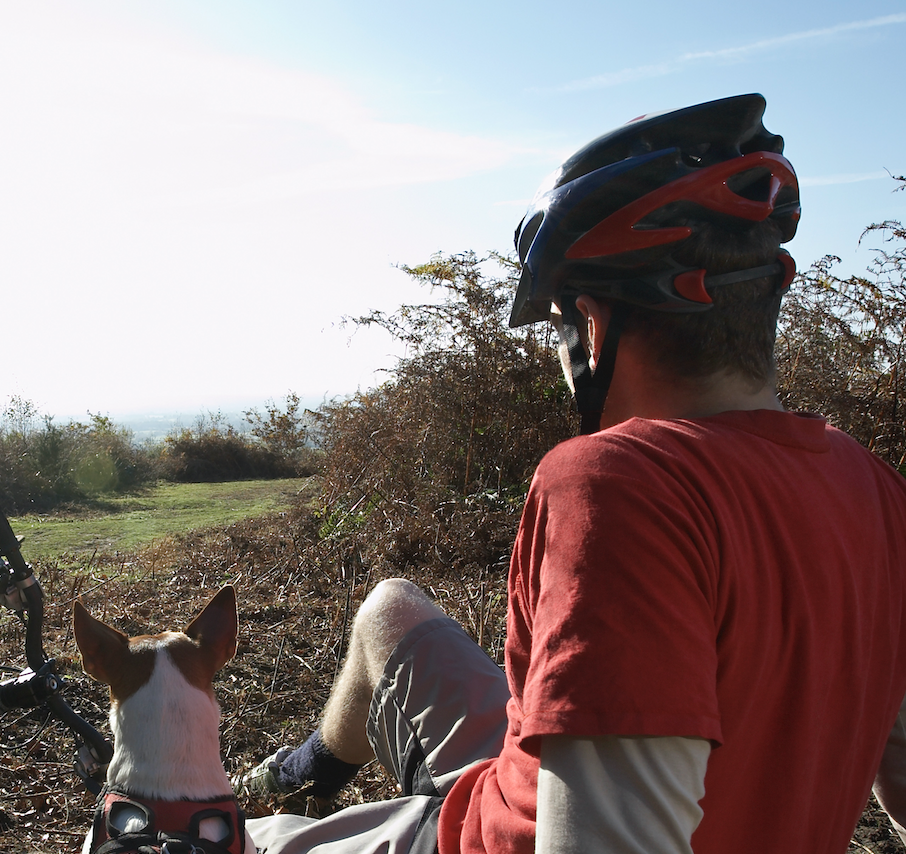
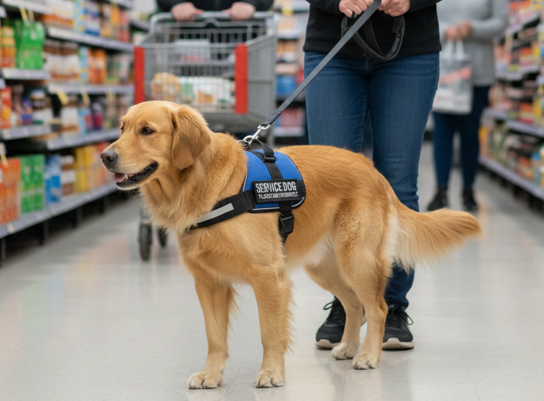
If you spend time in public places, you have probably noticed that service dogs typically walk by their handler’s side on a leash. That familiar picture makes people curious about whether the leash is actually required or simply part of good manners.
This is an important question because service dogs work in busy environments where safety, control, and clear communication are essential. Understanding the important role of the leash as part of service dog equipment makes it easier to explain what the law actually expects from service dog teams in public.
Today, we’ll take a closer look at how a leash keeps a service dog focused, helps the handler feel in control, and ensures a safer environment for those nearby.
Why Are Service Dogs Usually Leashed in Public?
When you see a service dog handler calmly walking their dog with a leash in hand, it may look simple, but there’s actually a lot behind that small piece of equipment.
The leash is not just a tool-it actually allows the handler to maintain control, guide the dog, and ensure they stay focused on the tasks they have been trained to perform. It plays an even greater role in busy environments like grocery stores, malls, restaurants, airports, or crowded streets, which can easily become overwhelming due to the intensity of distractions.
A leash helps prevent the dog from wandering into potentially dangerous situations or getting distracted by surrounding stimuli. While a leash alone doesn’t automatically identify a dog as a service animal, it helps the dog maintain proper behavior. Along with other types of gear, like a harness or vest, it signals to others that the dog is on duty and should not be distracted.
Handlers must be able to manage their service animals effectively and ensure they respond reliably to commands, even in crowded and distracting environments. It’s essential to note that handlers are fully responsible for their dogs’ behavior.
Beyond safety, a leash also supports clear communication between the handler and their canine companion. Subtle tugs or movements can direct the dog’s attention or change their pace without requiring vocal cues, which is especially important in noisy and dynamic places. A leash provides a sense of structure and helps the animal know exactly where they should be in relation to the handler.
Moreover, for the public, seeing a leashed service dog is reassuring, as it indicates that the animal is trained and under control. This, in turn, helps reduce misunderstandings or unnecessary interruptions.
When Might a Service Dog Not Be on a Leash?
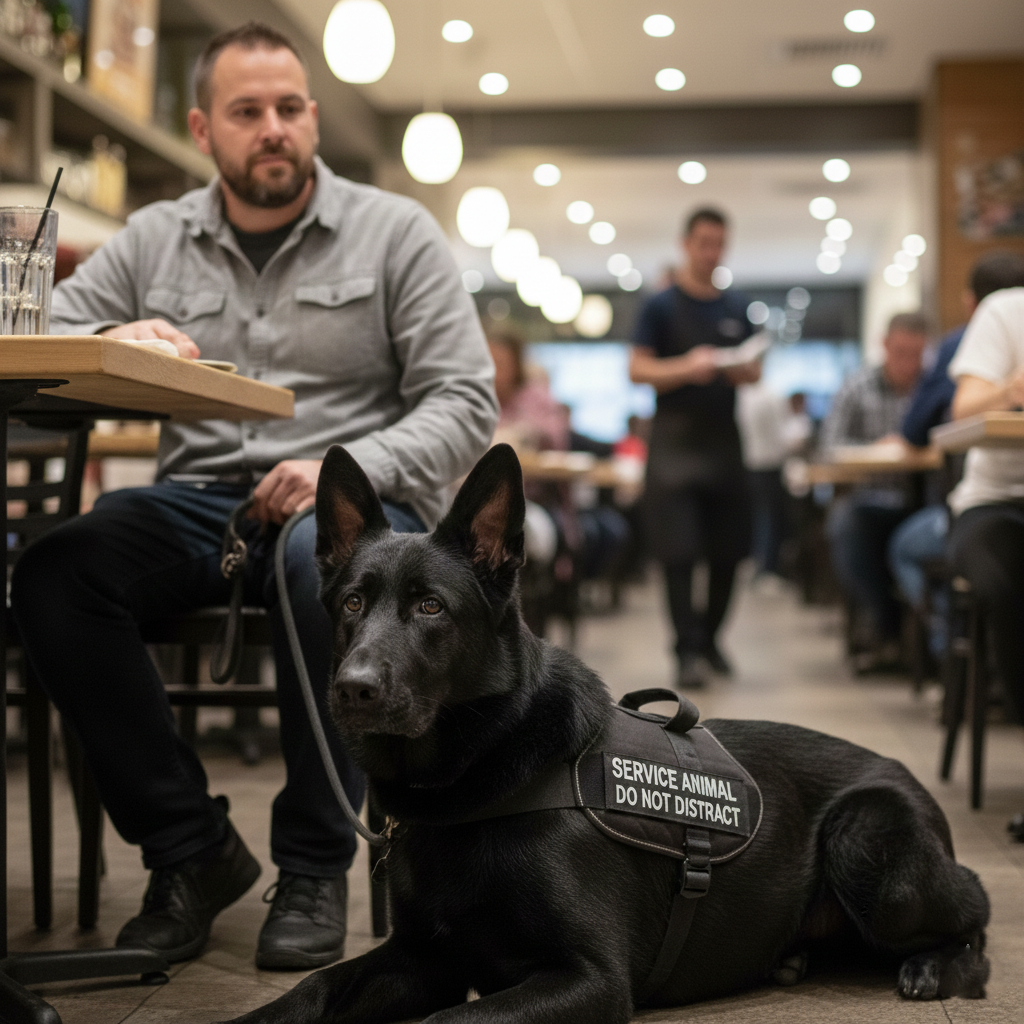
While leashes are standard, there are certain situations where a service dog may work without one. These exceptions usually occur when a leash would interfere with the dog’s ability to perform the trained tasks.
For example:
-
A mobility service dog who helps their handler navigate a narrow hallway may need to brace against the handler’s body while the handler uses a walker. A leash could interfere with this positioning, so the dog may work off-leash for that moment.
-
A diabetic alert dog who is trained to recognize changes in their handler’s scent and alert them to the onset of a medical episode (too high or too low blood sugar levels) may need to move quickly around furniture or obstacles to reach the handler and alert them safely, which could be hindered by a leash.
-
In a crowded place, a psychiatric service dog trained to provide crowd control may need to shift their position between the handler and passersby to help prevent panic attacks. Using a leash could limit the dog’s effectiveness in this situation.
Additionally, if a person’s disability prevents the individual from using a leash, they are allowed to utilize vocal cues, signals, or other methods to ensure their service dog is under control.
These exceptions show the importance of a strong bond and clear communication between the handler and their dog, as well as the necessity of proper training. Off-leash work requires that the dog respond to verbal commands, hand signals, or other cues, without hesitation, regardless of the situation or surroundings, so consistency and patience in the training process are critical.
Handlers must also carefully consider the environment. Crowded or potentially dangerous spaces may still require extra awareness. While rare, these situations show that leash-free work is possible, but only when both the dog and the handler are highly trained and confident in their roles.
What Should a Handler Do If Holding a Leash Is Difficult?
While some handlers may have physical limitations, such as limited grip strength, arthritis, or other mobility challenges, these alone do not exempt the dog from being leashed.
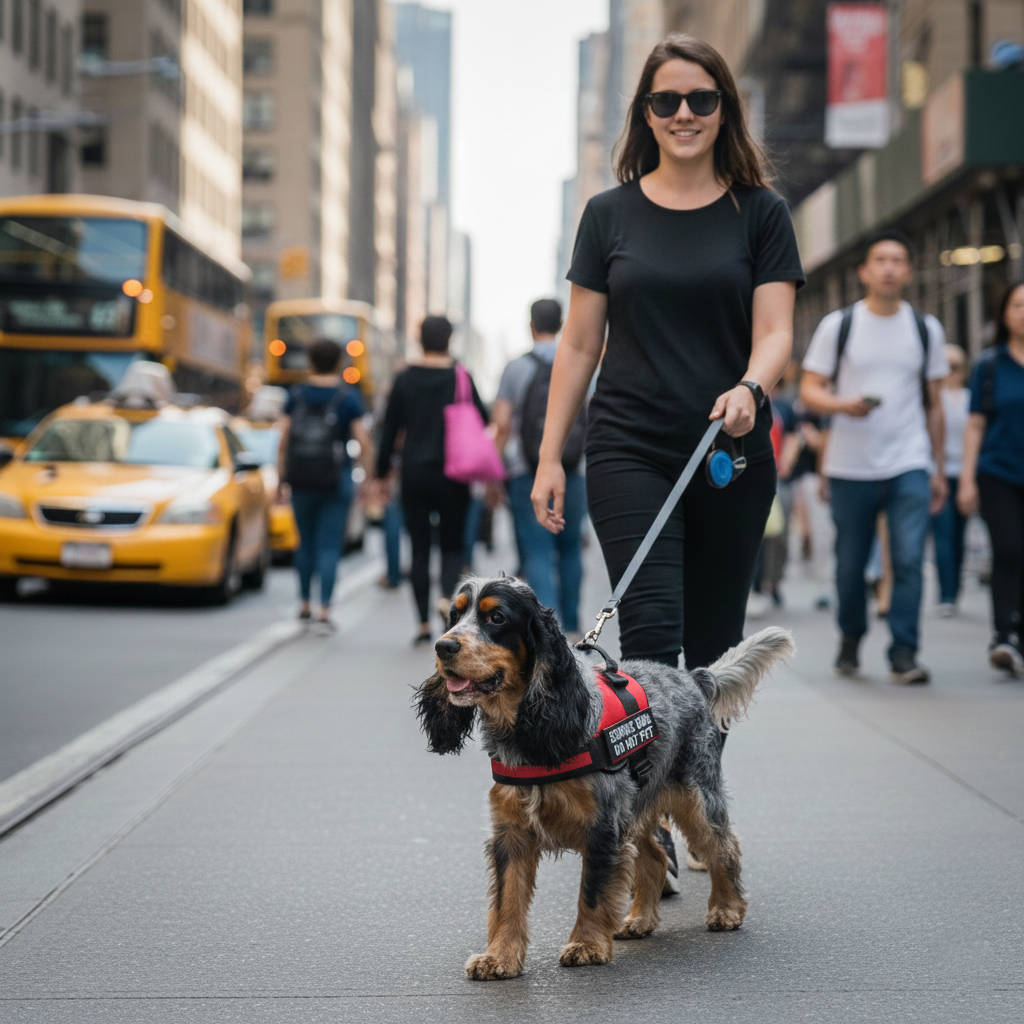
However, handlers in these situations can use adaptive equipment, such as ergonomic or hands-free leashes, or attach the leash to a mobility aid. This allows them to maintain control and also comply with the law. This approach also helps ensure the dog remains safe, focused, and able to perform the trained tasks effectively.
For example, a person who uses a wheelchair may use a long, retractable leash to allow their service dog to retrieve items, while still maintaining control so the dog does not wander. Similarly, a veteran with PTSD may have a dog trained to enter an unfamiliar space, check for potential threats, and return to signal that it is safe.
In these cases, the dog may be off-leash for a short time to complete a specific task, but they should remain under control and be on a leash at other times. Being “under control” also means that a service dog should not disrupt quiet environments, such as libraries, theaters, or lecture halls. It’s important to note that occasional single barks or reactions to provocation are acceptable and do not indicate a lack of control.
Regardless of the method or scenario, a service dog must stay close to their handler when on duty and respond reliably to commands at all times. Furthermore, handlers may work with trainers or occupational therapists to identify the most effective equipment and strategies for their specific needs. With careful planning and practice using adaptive tools, handlers can navigate public spaces safely, keep their service dogs focused, and remain fully compliant with the law, even when facing physical challenges.
Legal Requirements and Public Access Rules
Service dogs are protected by law in most countries. However, these protections come with both rights and responsibilities for the handlers.
In the US, the Americans with Disabilities Act (ADA) protects the rights of service dog teams. It requires that service animals be under the control of their handler at all times, which could involve being on a leash, a harness, or otherwise tethered. This ensures the dog stays focused, behaves appropriately in public spaces, and can perform their tasks safely.
You can read more about the ADA regulations on their page: ADA Requirements: Service Animals.
The law does allow for exceptions, though. As we explained above, a service dog may be off-leash if the leash would interfere with the performed tasks or if the handler cannot safely use a leash due to a disability. In these cases, the handler must maintain control through voice commands, hand signals, or other effective methods. If you’d like to learn more about the legal requirements for service dogs in terms of being under control and on a leash, consider visiting the ADA website or reviewing other resources like the LII- Legal Information Institute.
In the UK, service dogs (known as ‘assistance dogs’ in the UK and the EU) are protected under the Equality Act 2010. Businesses generally cannot refuse service to someone with an assistance dog, even if they have strict “no-pets” policies. The handler does not have to show any special certification for the dog, though this can be helpful when seeking accommodations.
According to the Equality & Human Rights Commission and Assistance Dogs UK, while harnesses or jackets are common, they are not legally required as proof of assistance status. Despite wide access rights, the dog must be well-behaved and under control in public.
In Canada, service dog laws vary by province, but there are clear rules regarding public access. For instance, in British Columbia, the Guide Dog and Service Dog Act requires that service dogs be leashed or harnessed when their handler is in public.
Since rules differ so much based on the country or even the region, handlers must ensure their dogs are leash-trained and respond to commands reliably. Service dogs must be able to remain focused on their handler and behave appropriately in various environments, especially in high-distracting ones.
Remember that if a service dog becomes disruptive and the handler cannot regain control, businesses have the right to ask the handler to take the dog away from the premises. We would say that these rules balance the rights of the handler with the safety and comfort of the public.
Proper leash use helps handlers maintain control, stay compliant with the law, and ensure smooth interactions in public, which reduces the chance of misunderstandings or being denied access.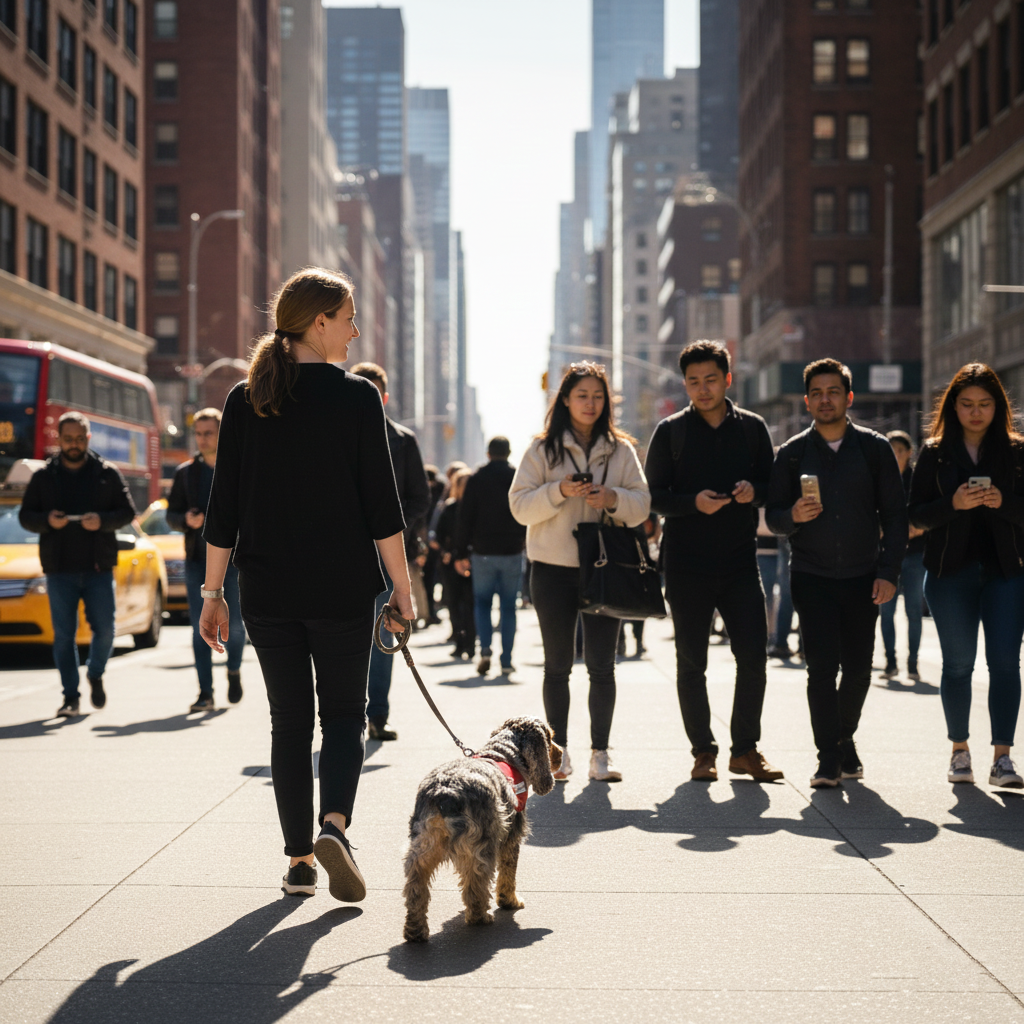
Practical Tips for Handlers
Choosing the Right Equipment
Selecting the right leash, harness, or tether is essential for maintaining control and ensuring the dog can reliably perform their tasks. Handlers should consider ergonomic or hands-free options if they have physical limitations.
Harnesses designed for mobility assistance, vest attachments for identification, or retractable leashes for controlled retrieval work can all make a difference in everyday public settings. We also encourage handlers to try different types of equipment and find what works best for both themselves and their service dogs. This will definitely help prevent discomfort, distractions, and safety issues.
Training Reliable Off-Leash Control for Task Performance
Even though service dogs are usually on a leash in public, certain tasks may require them to work off-leash temporarily, such as retrieving items, providing balance support, or alerting to medical changes.
Handlers should invest time in training their dog to respond immediately to voice commands, hand signals, or other cues. Loose leash walking is another key component of the training process that shouldn’t be neglected.
Practicing in increasingly busy environments helps the dog generalize the learned behaviors and ensures that they remain focused and under control even when off-leash. It’s important to note that reliable off-leash control is not only a safety measure but also a legal requirement in jurisdictions that allow leash exceptions for task-specific work.
Handling Questions from Staff or the Public
Handlers may be asked questions about their service dogs in stores, restaurants, or other public spaces. It really helps to know the law and exactly what’s allowed!
In the US, staff may only ask if the dog is required due to a disability and what tasks they have been trained to perform. In other countries, such as the UK, staff may not refuse access due to the lack of certification or detailed medical information, but the dog must still remain under control and behave appropriately.
Handlers can respond politely, provide brief explanations about their dog’s role along with a certificate as proof of training (if their dog has been trained by a local trainer or has graduated from a training program), and consider using equipment like vests or ID cards. These help clarify that the dog is working, which prevents misunderstandings and conflicts.
By combining proper equipment, consistent training, and clear communication, handlers can ensure their service dog performs effectively, remains safe, and allows them to navigate public spaces with confidence and compliance.