



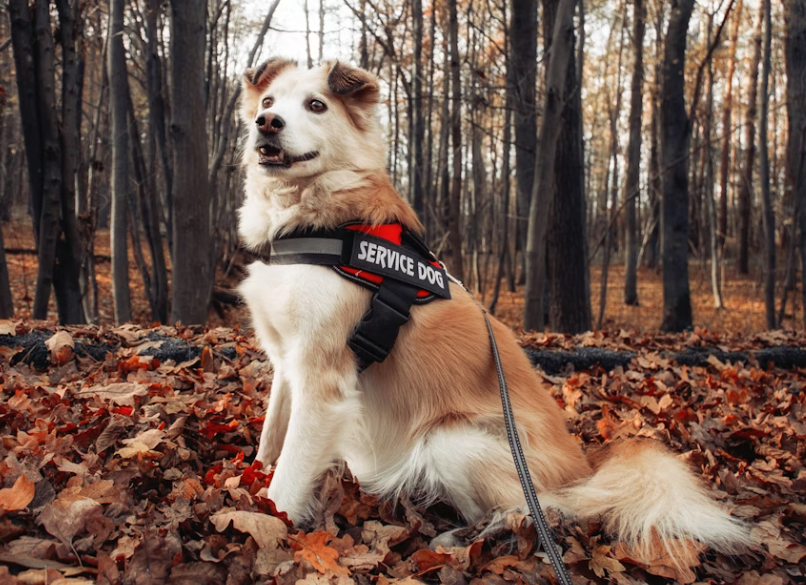
The partnership between a human and their service dog is truly unique! It’s an intensive relationship built on many hours of focused training, precise communication, consistency and mutual respect. All these are necessary to ensure the dog can perform life-changing and sometimes even life-saving tasks for their human partner to help them regain confidence and fully engage in life!
That special and unique bond is the foundational element of success. We know that routine, clarity, and consistency are non-negotiable standards when training a dog as a reliable service animal.
However, as family structures evolve and caregiving is shared among partners, parents, or other family members, a question has emerged in the service dog community: Can a service dog maintain their reliability and effectiveness when working with two handlers?
In today’s article, we will examine this topic, along with the legal standing and behavioral requirements for a dog as a service animal with two handlers.
Difference Between User and Handler
A service animal is a dog individually trained to perform specific tasks that help mitigate the symptoms of a person’s disability. A service dog assists one particular person, whom we call the user.
The user is the individual whose disability the dog is trained to mitigate. This is the person who truly needs and relies on the dog for tasks or safety, whether that's retrieving dropped keys, alerting them to the onset of a medical episode, providing physical stability, or interrupting an anxiety episode. The tasks the dog has been trained to perform must be directly related to the individual’s health condition.
Since the dog’s training is customized to that person's specific needs, the deep bond and understanding between the user and the dog are crucial for reliable support.
On the other hand, the handler is the person who is actively engaged in managing the dog. This role primarily involves handling the dog's behavior, especially when they're out in public. This includes everything from giving commands and maintaining control on the leash to ensuring the dog follows proper public etiquette and doesn't bother other people or animals.
In most cases, the user is also the primary handler, which means the person who needs the dog's assistance is also the one guiding them through daily activities.
However, there may be exemptions to this rule. For example, if the user is a young child or someone who has very limited mobility, they might rely on a parent, caregiver, or trained assistant to be the dog’s handler in public. In these situations, the handler's job is to manage and control the dog, and reinforce training cues. The dog's primary goal, however, remains serving the user's disability-related needs and performing specific tasks for them.
It’s essential to understand this distinction to ensure you comply with the law and that the dog’s task performance remains consistent.

What Does the Law Say?
Under service dog regulations, the legal right to public access is always tied to the user, the individual whose disability the dog is trained to assist. This means that while someone else may temporarily guide or manage the dog, it's the user who is legally entitled to have the dog accompany them in public spaces like restaurants, stores, or public transportation.
The reason for this is simple: the dog is individually trained to perform specific tasks that mitigate the disability of one user. Even if another person steps in to hold the leash or provide assistance, the dog’s tasks remain focused on the original user, and the dog is not legally recognized as serving anyone else.
While laws certainly don't prohibit family members, caregivers, or assistants from supporting the user and the dog, these individuals do not gain independent public access rights. For example, a parent helping a child with a service dog may hold the leash during a crowded outing, but they can't use the dog to gain access to a place on their own or when the child isn't present.
To clarify, let's look at an excerpt directly from the Americans with Disabilities Act (ADA) guidelines:
"The ADA requires that service animals be under the control of the handler at all times. In most instances, the handler will be the individual with a disability or a third party who accompanies the individual with a disability. In the school (K-12) context and in similar settings, the school or similar entity may need to provide some assistance to enable a particular student to handle his or her service animal."
As you can see, the ADA uses the term "handler" to refer to the person with the disability or to someone helping them. The key point, though, is that a service dog is allowed in public only because they are actively assisting a person with a disability. If the individual with a disability isn’t present, the dog isn’t serving their legal role and doesn’t have the same access rights.
Primary Handler vs. Support Handler
As the name suggests, the primary handler is the person who works with the service dog most consistently. They’re responsible for reinforcing training, giving most commands, and ensuring the dog performs their tasks reliably every day. This is usually the user (the disabled individual), but sometimes it’s a dedicated caregiver who manages the dog on the user's behalf.
Because the primary handler is around the dog so much, it’s their job to maintain consistency in all the cues, commands, and daily routines. That consistency lays the foundation for the dog's reliable task performance.
A secondary handler, or a support handler, is someone who can temporarily step in to manage the dog without changing the dog's core responsibilities. This may be needed in various situations, such as
-
A parent guiding a child’s service dog through a busy airport.
-
A spouse assisting an adult user who is experiencing a medical flare-up or severe symptom escalation.
-
A friend or support person handling the dog while the user navigates a physical challenge or limitation.
While the support handler is there to help with control and management, they must use the same commands and routines established by the primary handler. Any deviation can confuse the dog and obstruct their training.
It’s crucial to remember that even if a secondary handler is needed, the dog’s role remains focused on a single user, the individual for whom the animal performs specific disability-related tasks.
The secondary handler’s role is supportive, and it aims to keep the dog focused and effective. However, it does not change the dog’s legal or functional purpose. Clear, open communication between the primary and secondary handlers is essential to prevent mixed signals and ensure the service animal’s training remains intact.

Training and Consistency for Multiple Handlers
A service animal’s training is customized to their user’s specific needs, which means the dog’s responses to commands and tasks are highly individualized.
When more than one person handles the dog, even occasionally, there is a risk of confusion if cues, timing, tone, or body language differ. This inconsistency can affect the dog’s reliability in performing their tasks, which are critical to assisting the user.
With that said, consistency is essential for secondary handlers. They must use the same commands, hand signals, and reinforcement methods (like praise and treats) that have already been established by the primary handler.
It is strongly recommended for primary handlers to create a simple guide or checklist that outlines the key commands, task procedures, and daily routines. This ensures that every person interacting with the dog is on the same page. As we’ve already mentioned, open communication between handlers about the dog’s behavior, any challenges, or needed adjustments is essential to ensure the dog remains focused, confident, and effective in their work.
Two handlers can successfully manage one dog, provided they prioritize clear coordination and maintain consistency. This approach preserves the dog’s effectiveness, protects their bond with the user, and ensures the animal continues to fulfill their role reliably in all situations.

When Two Handlers Are Not Suitable
While certain situations may justify a secondary handler to step in and support the primary handler, there are also instances where allowing two independent handlers may undermine the dog’s training and their reliability as a service animal. Let’s take a closer look at several examples!
Separate Needs in the Same Home
If two different adults in the same household try to use the same dog to assist with their own disabilities or daily routines, the dog will inevitably receive conflicting commands, varying cues, and mixed expectations. This can quickly lead to confusion and an inability to perform the tasks effectively.
Different Work or Public Scenarios
If one handler takes the dog to a quiet office setting while another uses them in a loud, busy retail environment, the huge variation in environment and task expectations can dilute the dog’s focus. The service animal may struggle to know what is expected of them and find it harder to perform reliably.
Multiple People Managing Behavior
When more than one person attempts to correct or reinforce behaviors differently, the dog often becomes uncertain about who is in charge and what rules apply. This can raise the dog’s anxiety levels and cause them to respond inconsistently.
Shared Care for Multiple Family Members
Using the same dog to assist multiple children or family members with widely varying needs can easily overwhelm the dog and compromise their ability to respond effectively when the primary user truly needs them.
In these cases, shared handling may confuse the dog, weaken their specialized skills, and make their task reliability drop. The dog’s legal and functional purpose is always tied to one person. Sticking to that clear structure ensures both how well the dog performs and, most importantly, the safety of the person they assist.
Options to Consider if Multiple People Need Support
When more than one person in a household or care environment requires service dog assistance, there are several alternatives to sharing one service dog.
One option is obtaining a second service dog trained specifically for the other individual’s needs. This ensures that each person receives reliable, specialized support without confusing the dogs or compromising their training.
For situations where the second person does not require disability-related tasks but would benefit from comfort or emotional support, an emotional support animal (ESA) can be a practical alternative. ESAs provide companionship, reduce anxiety, and offer comfort without needing the same level of training as a service dog.
It’s important to clarify that companion animals don’t undergo task-based training and don’t have the same public access rights as service dogs. They are treated as pets in public, which means their acceptance in public settings is at the discretion of business owners. However, ESAs in the US are protected under the Fair Housing Act (FHA) and are legally permitted to live with their handlers even in buildings with a ‘no pets’ policy. According to the FHA:
“An assistance animal is an animal that works, provides assistance, or performs tasks for the benefit of a person with a disability, or that provides emotional support that alleviates one or more identified effects of a person’s disability. An assistance animal is not a pet.”
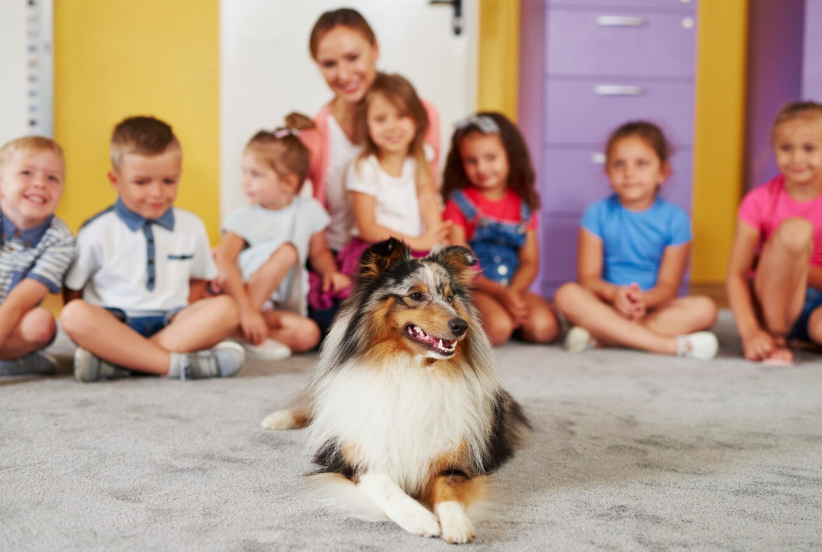
Similar to ESAs, therapy dogs also provide comfort and companionship, without undergoing specific task-based training. They don’t have public access rights and may be excluded from premises with a ‘no pets’ policy. Unlike ESAs, though, therapy dogs visit designated facilities such as schools, hospitals, nursing homes, or private practices to provide comfort and companionship to multiple people. They can be of great emotional help to multiple individuals at the same time.
We also recommend other practical steps, like sharing handling duties (as long as the dog’s main job remains the same) or using adaptive technology or mobility aids instead of the dog for the second individual. This lets everyone in the family receive necessary support without compromising the service dog’s specialized training.
Deciding whether to introduce a second handler is not only about keeping the dog confident and consistent, but it also depends on whether there is a genuine need for someone else to take on that role. Some teams function best with one steady handler, especially when the dog relies on clear routines and stable task work.
A second handler can be helpful in certain situations, but only when the dog’s training, stress levels, and job requirements truly support it. In the end, the goal is to support the handler, protect the dog’s well-being, and keep the team working smoothly.