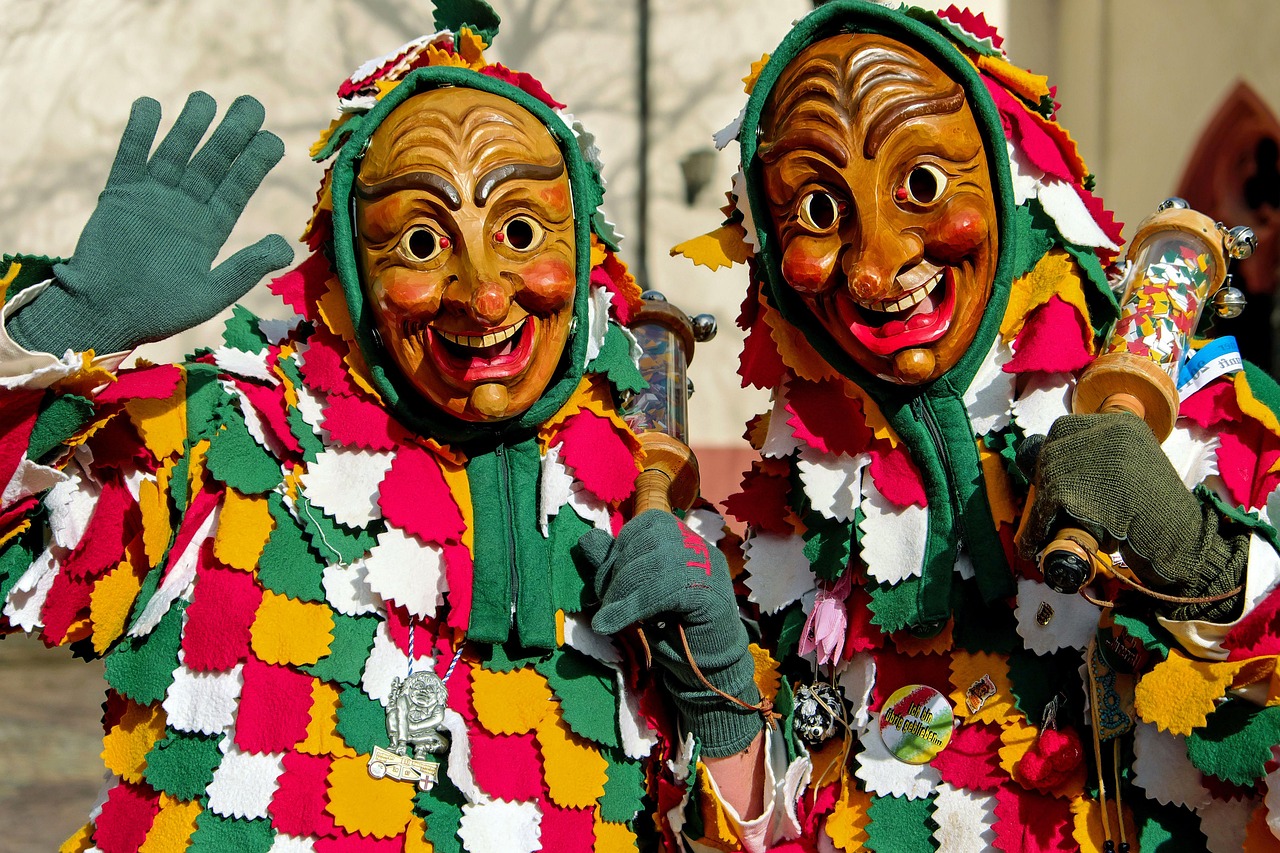




You may remember ‘The Scream’, the famous painting by Edvard Munch, which shows a person with a distressed expression, conveying both anxiety and horror.
“Anxiety” is a word we hear more and more often in our daily lives. Let’s not confuse it with fear, though! Fear is an emotional response to a present threat, while anxiety is an emotional state marked by inner turmoil and a sense of unease about anticipated events.
There are many techniques for managing anxiety—from breathing exercises to prioritizing sleep, reducing alcohol intake, staying active, and identifying environmental triggers.
But what should we do when our beloved furry friends experience anxiety? Do dogs feel anxiety the same way we do? How can we recognize it in our dogs and manage it, especially during training?
Today, we’ll explore how to train anxious dogs and share tips to help you handle the issue together as a team!
Understanding Anxiety in Dogs
Helping a dog who struggles with anxiety starts with figuring out what causes their stress. Just like us, dogs feel a range of emotions, and anxiety can show up in many different ways. Some dogs get nervous around strangers, loud noises, or new places, while others become stressed when left alone or faced with everyday challenges.
By paying attention to your dog’s behavior and recognizing the type of anxiety they’re experiencing, you can adjust your approach to support them effectively. Observing how they react, what situations trigger stress, and understanding their personality are all key to helping them feel safe and secure.
With patience, consistency, and understanding, you can help your furry friend become calmer, more confident, and happier in their daily life.
Types of Anxiety in Dogs Based on the Trigger
Separation Anxiety
This is one of the most common types of anxiety that dogs can experience. It is especially prevalent in affectionate and clingy dogs who have a strong bond with their owners. These dogs often become stressed or distressed when separated from their humans, which shows how deeply attachment can influence a dog’s emotional well-being.
We’ll make a quick note here if you’re wondering about the difference between ‘stressed’ and ‘distressed’.
Simply put, stress can be described as a general state of discomfort or worry which activates the nervous system. Due to the presence of a trigger, the stress hormones (cortisol and adrenaline) are released in the body- first adrenaline for an immediate fight-or-flight response, then cortisol.
Over time, if everyday stress accumulates, it can wear us down, and leave us feeling low, tense, or constantly on edge. This is when stress crosses the line into distress.
Separation anxiety in dogs can cause destructive behaviors such as chewing, barking, howling, or even attempts to escape. Dogs with separation anxiety may also show signs of restlessness or agitation before their owner leaves.
Noise Anxiety
That’s another common type of anxiety in dogs, triggered by sudden and usually loud sounds, such as fireworks, thunderstorms, vacuum cleaners, or construction noise. Dogs with noise anxiety may shake, hide, pace, or even try to run away from the source of the sound.
It’s also common for these dogs to tuck their tails, seek a place to hide, and tremble when startled by loud noises. If you are interested in learning more about dogs’ body language, the following article in our blog section may provide helpful information: Dog Body Language and Chart.
Social Anxiety
This type of anxiety affects dogs in interactions with other dogs, people, or unfamiliar environments. Nervous or shy dogs may avoid social contact, or react defensively when approached. They might also freeze, hide behind their owner, or growl to keep others at a distance.
Social anxiety can make walks, trips to the park, or visits to new places stressful for both the dog and their owner. However, with patience and guidance, dogs can gradually become more confident and comfortable in social situations.
Generalized Anxiety
Generalized anxiety in dogs can be described as a constant sense of worry or unease that isn’t linked to any specific trigger, like thunderstorms or being left alone. Dogs with this type of anxiety may feel nervous in many everyday situations, which makes it hard for them to relax. This condition affects their overall quality of life.
Recognizing the Signs of Anxiety in Dogs
To effectively help your dog manage anxiety, you should be able to recognize the signs of anxiety.
Anxiety in dogs often begins subtly, so learning to spot the early warning signs can make a big difference in the long run. Some common signs include:
Pacing
Walking or moving restlessly in circles or back and forth can be a sign that your dog is feeling unsettled or nervous.
Yawning
Dogs sometimes yawn when they’re tired, but repeated yawning in a calm environment can indicate stress.
Lip Licking or Drooling
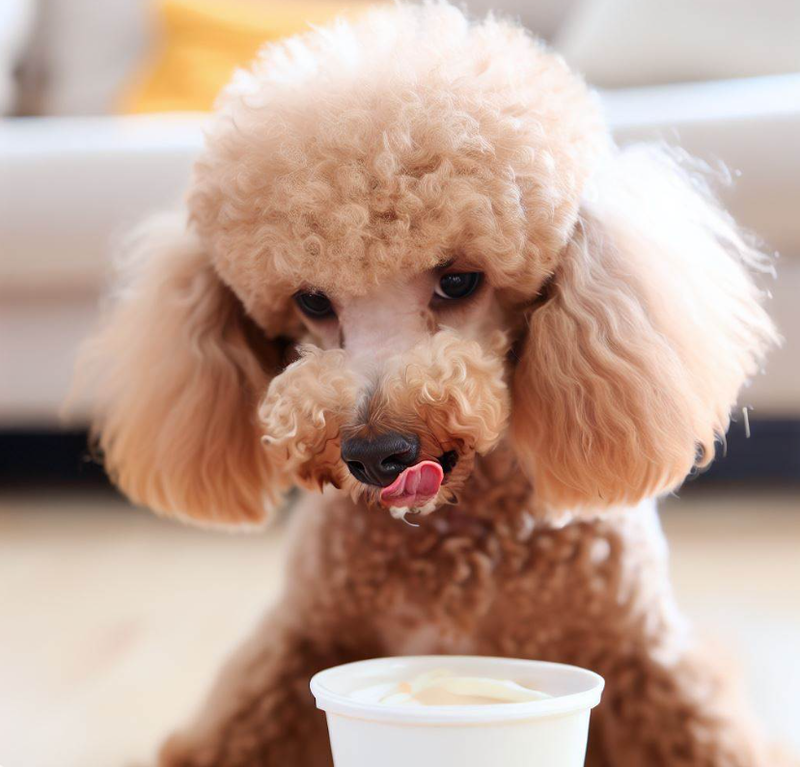
Excessive licking of lips or drooling, especially when not expecting food, is often a stress response.
Trembling or Shaking
Shivering or shaking can signal fear, nervousness, or heightened alertness.
Excessive Scratching or Grooming
Over-grooming or scratching without a clear cause may be your dog’s way to cope with anxiety.
Hiding or Seeking Comfort
Dogs may retreat to a safe space, under furniture, or stay close to their owner when they are feeling anxious.
Vocalizations
Whining, barking, or howling can indicate distress, particularly when the dog feels threatened or alone.
Aggression or Defensive Behavior
In more severe cases, anxiety can trigger growling, snapping, or other defensive actions as your dog tries to protect themselves.
Self-harm Behaviors
Some dogs may chew, lick, or scratch themselves excessively to the point of injury, which is a serious sign of severe anxiety.
Observing your dog carefully and noting when and how these behaviors occur, such as the time of day, environmental factors, or specific situations, will help you identify triggers and develop a tailored approach.
Principles of Anxious Dog Training
Training an anxious dog requires patience, understanding, and a thoughtful approach. We would strongly recommend that you choose a positive reinforcement–based method rather than using punishment, as the latter can increase stress and worsen anxiety.
Needless to say, treating your dog with respect and offering encouragement will help strengthen your bond and make you more attuned to each other’s needs.
Positive Reinforcement
Rewarding your furry friend for exhibiting a calm, relaxed behavior is one of the most effective ways to support an anxious dog. You can use treats, praise, or play to reinforce the behavior you want to see.
Food is considered a primary positive reinforcement tool, as dogs are biologically motivated by food- it’s a basic need and something they instinctively value. Unlike toys or praise, food doesn’t need to be “taught” as a reward.
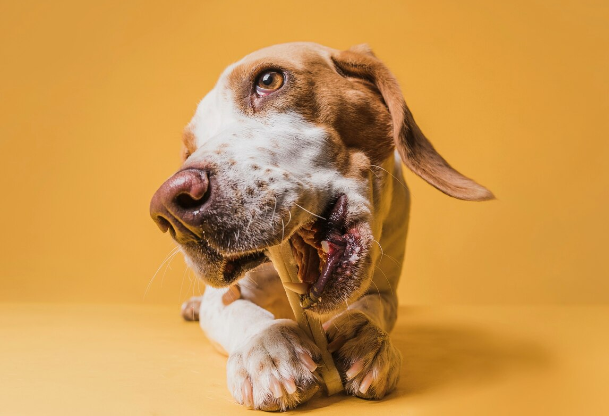
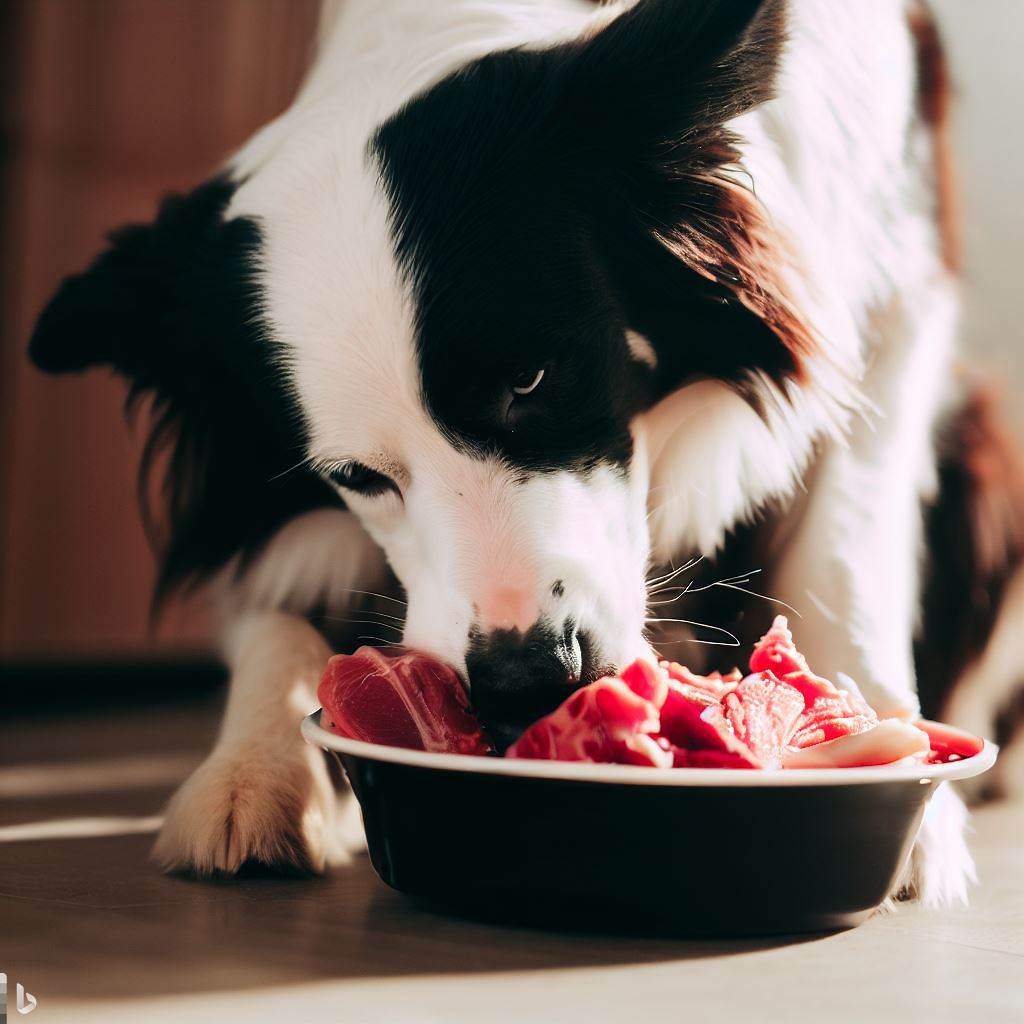
In the early training stages, you may consider using high-value treats to ensure your paw friend feels motivated to exhibit the desired behavior. These are usually smelly, freeze-dried or wet treats and may include liverwurst, pieces of chicken, beef, turkey, lamb sticks, string cheese, etc. High-value treats are usually not given (or at least not often) outside the training process.
However, if your furry friend is picky or not very food-motivated, you can use praise, petting, or their favorite toys during training sessions. You can also get creative and reward them with anything they personally value, such as a short walk, a fun play session, some cuddle time, or access to a favorite spot they don’t usually get to visit.
For example, if your dog suffers from social anxiety, and you see them sitting quietly instead of pacing when a stranger enters, you should reward them immediately after the calm behavior. This will help your furry friend learn over time that staying calm leads to positive outcomes.
When dogs get rewarded for a certain behavior, they will be more likely to repeat this behavior in the future. This approach also strengthens the bond between you and your dog, and helps them feel safe and encouraged to try new situations.
Gradual Exposure and Desensitization
Gradual exposure involves introducing your dog to anxiety triggers slowly and in a controlled way. For example, if your dog is afraid of fireworks, you should start by playing recordings at a very low volume.
It’s essential to make sure your furry friend stays calm and doesn’t become anxious or agitated. If you notice signs of stress, lower the intensity until your dog relaxes.
Gradually increase the volume or intensity as your dog becomes more comfortable. This method allows them to face their fears in a safe environment without feeling overwhelmed.
Over time, repeated exposure in a positive, low-stress context can reduce fear responses and help your furry friend adapt to situations that once caused anxiety.
Counter-Conditioning
Counter-conditioning is often used together with desensitization. It involves pairing a stressful situation with something positive, when the dog remains calm. It’s important to remember that you should reward your canine only when they are relaxed in the presence of the stimuli. If you give treats while they’re anxious, they might learn that anxious behavior earns rewards, which can actually make the problem worse.
Let’s take the example above- a dog who is afraid of fireworks. As mentioned, you should start exposing your furry friend to the trigger at a low level. If they remain calm, praise and reward them immediately. Keep in mind that rewards should be given once the desired behavior is displayed, neither too soon nor too late.
The goal is to replace the dog’s negative emotional response towards the stimuli with a positive one. Over time, what once triggered fear can become a source of comfort or even excitement. This technique not only helps reduce anxiety but also teaches your dog that new experiences can be safe and enjoyable.
Consistency and Routine
Never underestimate the importance of consistent routines in your dog’s life. Dogs are creatures of habit and associate predictable routines with safety.
This becomes even more important when raising or training an anxious dog. Feeding, walking, and training at consistent times reduce uncertainty and provide structure. Knowing what to expect can make a huge difference in your dog’s overall sense of security.
Even small changes, such as changing walk times or meal schedules, can cause stress for an anxious dog. Therefore, maintaining a steady routine is essential for their well-being and helps them feel safe.
Creating a Safe Space
Providing a designated area where your dog can retreat when feeling overwhelmed is essential, especially for anxious dogs. This could be a cozy crate, a quiet corner, or a favorite bed. If you’re crate-training your pup, make sure you are doing it properly. Our article: Crate Training Schedule - How to do it, and what do you need to know before that?, can help you along the way.
A safe space gives your dog a sense of control and helps them feel relaxed. It also allows them to decompress when faced with stressful situations. You can make this space even cozier with comforting items, such as your dog’s favorite blanket, toy, or even a piece of your clothing with your scent.
It’s important to place it in a calm, low-traffic area with a comfortable temperature, away from drafts or direct airflow. Over time, your dog will come to see this spot as their personal safe space, where they can feel secure, unwind, and regain confidence during moments of stress.
It’s important to make this space inviting, rather than a place of isolation or punishment. Spend time with your dog there during calm moments, praise them and offer them treats so they learn to associate it with positive experiences.
Over time, your paw companion will begin to seek out their safe space on their own when they feel anxious, rather than reacting with unwanted behaviors.
By combining these principles, you will create an environment that supports your dog’s emotional well-being and gradually help them build confidence. Of course, you should be patient, loving and consistent!
How to Support an Anxious Dog Beyond Training?
While training will greatly help in creating a routine, teaching your dog impulse control, exposing them to various environments, it alone isn’t enough. Whether it’s about humans or dogs, each process requires time and implementing daily life choices (even when we’re not super motivated to keep doing it). Consistency and routine come where motivation may end.
Regular exercise, mental stimulation through puzzle toys, scent work, play time for bonding or obedience games can help reduce stress, channel energy positively, and build self-assurance.
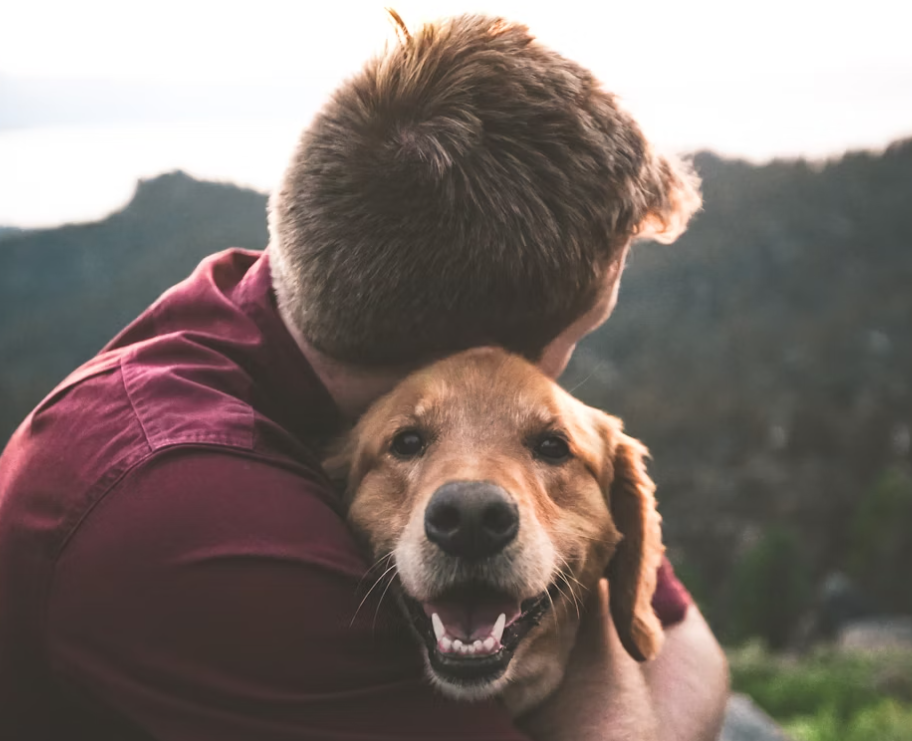
Gently showing your love and care through attention, quality time, and verbal reassurance, reinforces your dog’s sense of security. All of these activities help them learn that they are understood and cared for. Even small routines, like a predictable walk schedule, quiet cuddle time, or a brief training session, can make a meaningful difference in managing anxiety.
Creating a calm environment at home, minimizing sudden changes, and providing opportunities for your dog to make choices, such as selecting where to rest or which toy to play with, further supports their emotional well-being. By making these habits part of your daily routine, you help your dog build confidence, become more resilient, and strengthen your bond.